 EN
EN
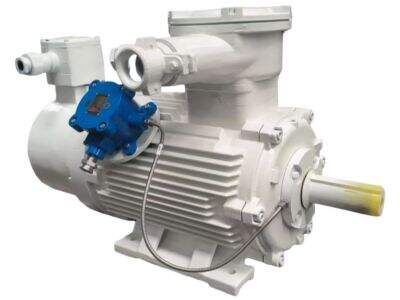
In industrial applications, flameproof motors are a must to assist with fire and explosion. For these motors, the common types of protection include Ex d and Ex e. Wholesale buyers wishing to purchase flameproof motors, should have information about their benefits and the distinction between Ex d and Ex e protection types
Benefits of Flameproof Motors For Buyers Of Wholesale
There are many advantages to flameproof motors for wholesale buyers in industrial manufacturing. These motors are built to last in hostile and explosive areas. Wholesale buyers maximize protection for their staff while maintaining safe and secure machinery by the purchase of flameproof motors. What’s more, these motors are built tough and guaranteed to provide long-lasting performance that means less replacements. This may translate to long-term cost savings for bulk purchasers. In short, flameproof motors are perfect for industrial applications which require safety and reliability as priority
Ex d vs. Ex e
Wholesale buyers of flameproof motors should know the difference in Ex d and Ex e protection types for flameproof motors. Ex d motors are built to have the explosion inside the motor housing, confined and not going out into the surrounding atmosphere. These motors are often employed in hazardous locations containing flammable gases or vapors. In contrast Ex e motors are constructed to diminish sparks or arcs to a level where they can be hardly able to set flammables outside the motor housing in fire. These are ideal for the Zone II explosion proof application. Wholesale purchasers must carefully consider their particular requirements and the risk level of their industrial settings in order to decide whether a Ex d or an Ex e flameproof motor is best suited for their application
In hazardous atmospheres, flame proof motor is a necessity to safeguard the motors from any unintentional explosions. But careful consideration of the type of protection is important in order to achieve safety and reliability In this article, we are going to discuss Ex d and Ex e types of protection which are generally applied to flameproof motors Common application issues, as well as tips on installation and maintenance will also be covered
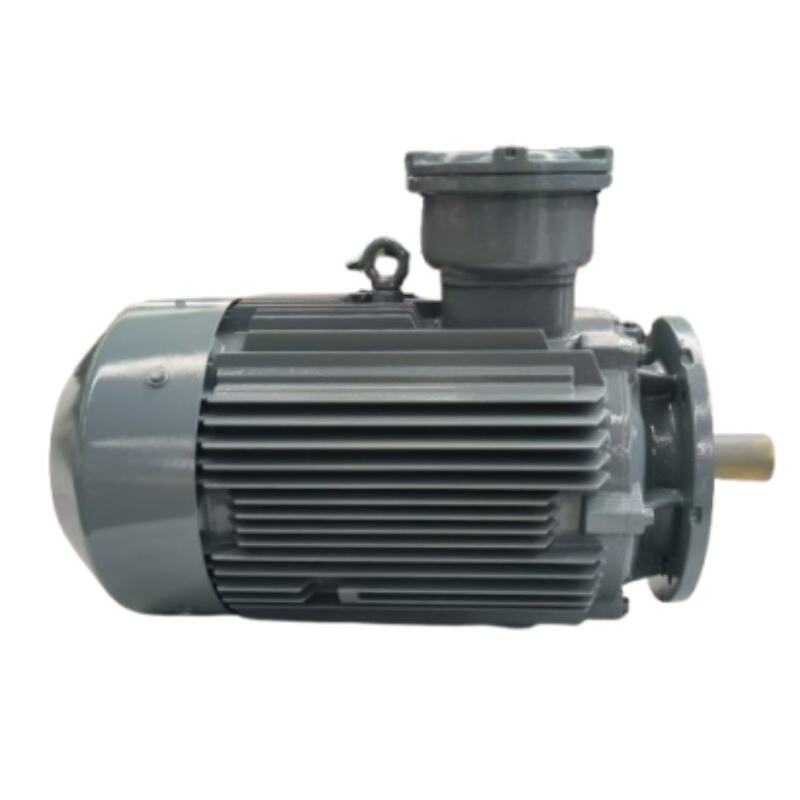
COMMON PROBLEMS-Use of Flameprof Motors is incorrect in the following
Flameproof motor is intended in such a way that flammable gases or vapors will not be ignited by combustion of their respective motors. But there are pitfalls in the common usage that can dilute their effectiveness. Among the most common is inadequate sealing of the motor housing, through which hazardous gases can enter and explode. Another cause is lack of ventilation, resulting in overheating and possible ignition. Manufacturers' instructions and industry norms must be stringently adhered to in order to successfully apply flameproof motors, and prevent these problems from occurring
How to check supply and maintenance for flameproof motors
Correct installation and maintenance is key to keeping flameproof motors safe and functioning well. Of course, installation is good with the motor specifically grounded and seal against leaking danger gas. It is important to regularly test that seals are in place, ventilation is sufficient and all working parts function properly. Mill maintenance also includes performing regular inspections and addressing any concerns to avert unsafe circumstances
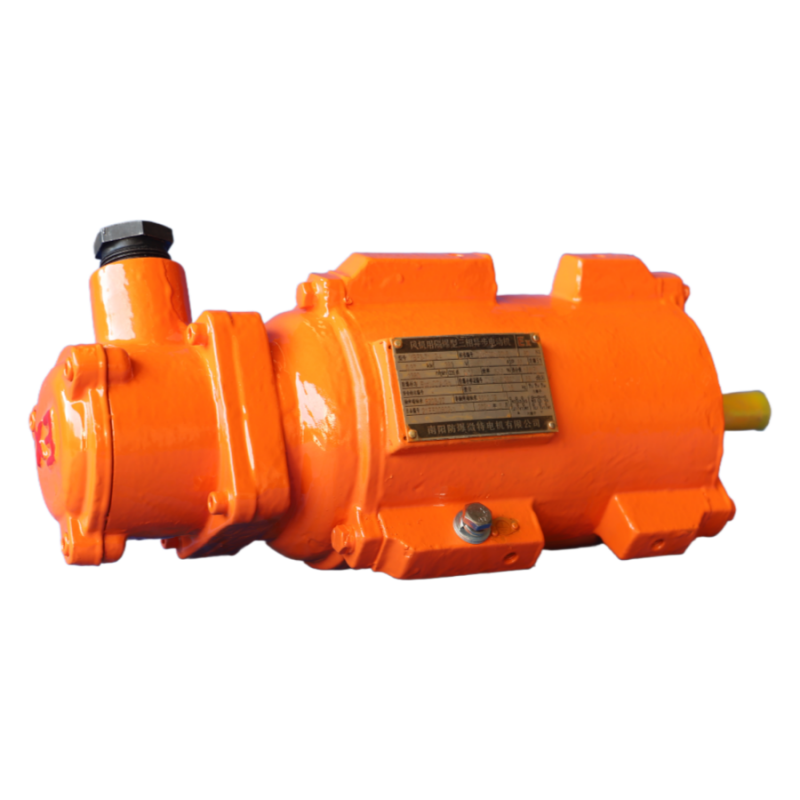
Types of Protection Ex ex d vs. Ex e
Ex d and Ex e are the most common protection techniques applied to flameproof motors. Ex d motor is a motor that confines an explosion within the casing and prevents ignition of flammable gases outside the casing. They are, in general, much sturdier and less prone to pressure than Ex e motors. Conversely, Ex e motors are intended to avoid sparks that would ignite flammable gases outside the motor housing. These are general-purpose motors which are cheaper and less complicated to maintain compare with Ex d motors. Choose between Ex e and Ex d protection types based on the particular hazards in the area and select the right kind of explosion protection
Correct choice, mounting and maintenance of flameproof motors are the key to operating safely in hazardous environments. By highlighting the contrast of Ex d and e protection types with some common application issues, users can ensure they get all that they need from their motors while keeping safety risks to a minimum. And, as always, be sure to adhere to manufacturer recommendations and all industry practices when operating these flameproof motors