 EN
EN

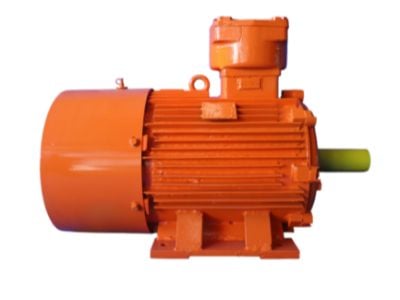
Refineries are, in a word, where fuels and chemicals are made. Very dangerous places can come to be, because gases, vapour or dust could take fire of explode. That’s why the machines deployed there must be extremely safe. EXCN produces special motors, so-called ATEX Motors. These engines are designed to operate safely in hazardous sites places like refineries. They ensure the workers are safe and the plant runs smoothly. Using the correct motor is not only smart, it’s necessary for safety and law. If you have an EXCN ATEX motor, then it has proven that it can stand up against harsh conditions and get the job done.
What Makes It a Must for Hazardous Area Approval
In refineries there will be presence of flammable gases or dust that can catch fire easily. This means if it isn't made right, any electrical device such as a motor is capable of causing a fire. EXCN understands this danger well. Our ATEX motors will help to prevent sparks or heat from igniting an explosion. The parts of the motor are sealed tight or are constructed from materials that do not produce sparks. For one thing, the motor’s casing is robust and doesn’t crack, so noxious gases can’t seep into it. As well, the engine operates at temperatures not high enough to set on fire the gases in immediate proximity. Some motors even have special cooling systems that keep their parts cool when they run hot. We construct ATEX motors that comply with these stringent regulations to ensure the safety of every refinery. Without these motors, a tiny spark could lead to a huge accident. Our motors are very reliable and they have certifications as safe for use in these explosive places. This is not only a matter of following rules, it’s about saving lives and property. People can overlook how hazardous refineries are. All it takes is one wrong machine to cast that into disaster. This is the reason why EXCN always priorities safety first. We understand that our motors are part of the safety systems in refineries. When a motor fails or catches fire, the damage can be extensive. So, our ATEX motors have to be brilliant, tried and true and really tough. That is why they are a necessity for hazardous area safety.
How Motor Compliance in Hazardous Refinery Areas is Enforced through ATEX Certification
ATEX certification is, in a sense, the equivalent of a safety badge for motors being used in hazardous locations, such as refineries. ATEX motors from EXCN have this badge, because they successfully pass a large number of tests to show that they are safe. The certification looks at everything on the motor. It considers, for example, the materials from which they are made how strong and safe they may be when flammable gases are present. It checks whether your motor can operate without producing any sparks, or running hot. The engine is also real-world tested in simulated refinery environments. This can help demonstrate the motor’s ability to perform hard, heavy work without endangering anyone. How the motor is constructed and test is also important. Production Our client EXCN always ensures to obey strict rules when it comes to production. Each motor is carefully inspected by workers before being sent to a refinery. The ATEX approval additionally stipulates maintenance inspections after installation of the motor. It's all done in service of keeping that motor running safely for a long time. Without this certification, there is no evidence that a motor is safe in potentially explosive areas. Opting for an EXCN ATEX motor ensures that you receive a product that complies not just with safety regulations but in many cases goes beyond them. When our motors are keeping workers safe, we’re proud. It's not just a piece of paper, it's a promise of quality and safety. By using certified motors you can prevent accidents, fines and expensive production shutdowns. It’s also a relief for everyone at the refinery. It is less to worrying about explosions or fires when you know your motor has passed tough tests and bear the ATEX mark. This is the reason why motors used in potentially explosive refinery zones must obtain certification for ATEX.
Typical Considerations in Choosing ATEX Motors for Refinery Hazardous Areas
The selection of the appropriate ATEX motor for refineries is critical as the sites are hazardous, with gases and dust that can cause ignition. ATEX motors are devices, which will work well in these risk zones without threat. But when it comes to selecting such motors there are some common issues that a lot of people have to deal with. One huge one is the hazardous area classification within a refinery. These are then classified as zones, according to how likely it is that dangerous gases or dust could be present. A Zone 0 is a place where the gas is present at all times, for example, whereas a Zone 2 may contain it only some of the time. Selecting a motor that suits the proper zone is crucial to maintaining safety.
Then there is also the issue of determining what type of protection the motor requires. ATEX motors have various types of protection, such as explosion safe or flameproof construction. Choose the wrong kind and the motor could seize and lead to accidents. Plus there is the challenge of sourcing motors with power levels and sizes that match those required by the refinery machines. Heavy machines are tools used in refineries, which have to employ strong motors, albeit the latter must still be safe for the hazardous area. People often opt for a motor that is powerful, but not designed for those hazardous conditions, and that’s dangerous.
Cost is also a concern. ATEX motors are generally more expensive by necessity, as they must comply with stringent safety regulations. Some manufacturers will try to cut costs by selecting more affordable motors, but doing so may encourage risks and high repair bills down the road. Finally Do people don’t often look whether the motors are properly certified or not. ATEX motor are required to be tested and certified so safety can be ensured. Without those permits, the motors may not be permitted at all in the refinery. At EXCN, we assist clients in avoiding these issues by providing sound advice, approved motors as well as used support make the appropriate motor selection for each hazardous zone. In this way, refineries can be both safe and efficient.
What Are The Most Recent Developments In ATEX Motors For Hazardous Industrial Refineries?
The ATEX motors world is one that is constantly evolving, new concepts and technology advances. For refineries, these updates make motors safer, smarter and more energy efficient. One major trend is the availability of better materials and designs to create lighter yet stronger motors. That is, motors consume less energy but they also perform really well by what’s called an efficiency band, so refineries save money and make it easier on the environment because of all the pollution that doesn’t get created. EXCN is also proud to present motors that make use of such new materials and can last longer and require less repair.
Other significant development is that of the smart technology for ATEX motors. Now a lot of motors come with sensors built in so you can get feedback on when the motor is getting too hot, if there’s an issue with your speed or if the motor needs repair. This data can be transmitted to computers or phones so that workers can fix problems early, before either something breaks or presents a danger. Such intelligent monitoring is critical in refineries where safety comes first. The motors we offer at EXCN contain this intelligent technology for smoother refinery operation.
Energy efficiency is also a key concern. New ATEX-motors are constructed to run with less electricity and still gives powerful power. That assists refineries in cutting their energy bills and environmental footprint. Many refineries would like to be “greener,” and operating with energy-saving motors is one way of achieving that goal. At EXCN, we are always looking to better our motor designs in order to contribute towards achieving these energy-saving targets.
Finally, the newest gang has better ways of putting motors in and out. The new motors are engineered to be more easily placed and fixed, saving the time of much-under-the-gun refinery workers. At Exico we offer clear instructions and service support so that clients can safely install and maintain their own motors. These advancements demonstrate how ATEX motors are getting safer, more intelligent and more useful for the hazard-rich environment inside a refinery.
How to Keep ATEX Motors On Track With Refinery Safety And Performance
Proper maintenance of ATEX motors is really important in order to keep the safe running and operation inside refineries. Refineries have explosive gases and dust, which makes motors subject to especially delicate maintenance. Regular cleaning is one of the most important steps in taking care of these motors. Dust and dirt can accumulate on motors and block the flow of air, leading to overheating and failure. At EXCN, we get in the habit of cleaning motors on a regular basis and always making sure that there is no dust or dirt in the motor housing.
Inspection is another significant maintenance function. Workers should examine connections for evidence of wear and damage, such as broken wires, loose bolts or cracks. Any problems that are found should be repaired based on the principle to safeguard us from bigger dangers. Inspect the motor’s seals and gaskets too. These components prevent the introduction of harmful gases into the engine and combustion. Damaging or torn seals need immediate replacement.
Another way to keep motors working well is by lubrication. Motors contain moving parts and do need oil or grease to prevent them from wearing out. Without the proper lubricants, motors can wear out faster and even fail. EXCN has detailed guides on the right kinds of lubricants to use and how often to apply them.
It is also useful helping monitor motor control. With smart sensors, workers are able to monitor motor temperature, vibration and speed. This helps catch problems early. At EXCN, our engines typically include self-contained sensors and monitoring systems to assist in this effort.
Finally, be sure to adhere to all local and international safety regulations when maintaining ATEX pump motor. This includes CERTIFIED parts and equipment made for hazardous locations. It is also very important to train workers in safe maintenance of these motors. EXCN provides training and assistance to refinery teams for keeping their motors safe, reliable. By adhering to this maintenance, refineries can be confident their ATEX motors perform efficiently and it keeps everybody safe.
Table of Contents
- What Makes It a Must for Hazardous Area Approval
- How Motor Compliance in Hazardous Refinery Areas is Enforced through ATEX Certification
- Typical Considerations in Choosing ATEX Motors for Refinery Hazardous Areas
- What Are The Most Recent Developments In ATEX Motors For Hazardous Industrial Refineries?
- How to Keep ATEX Motors On Track With Refinery Safety And Performance